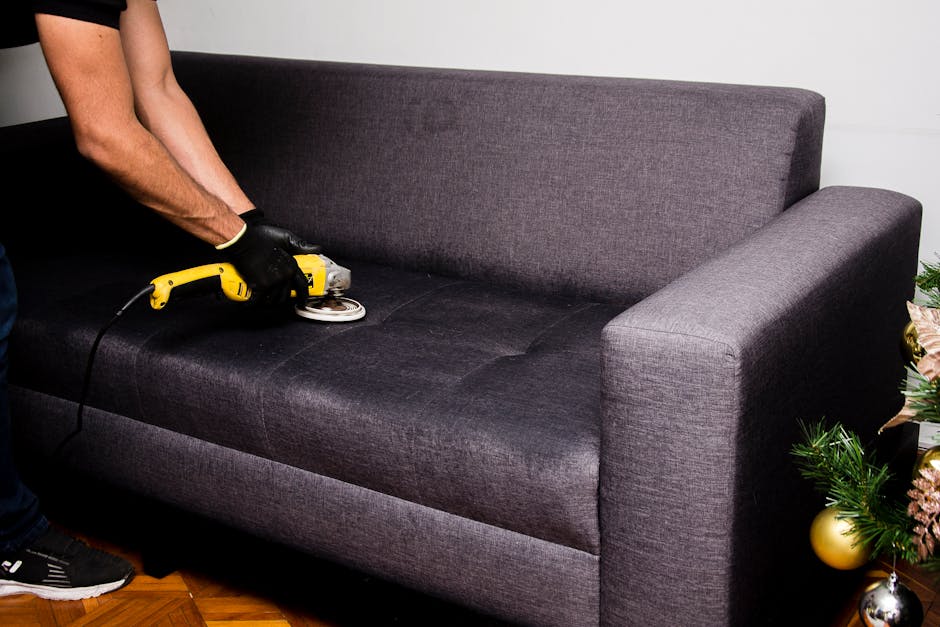
Mudchute upholstery cleaning experts near Island Gardens: a practical guide to cleaner, fresher furniture
If you live or work around Mudchute and Island Gardens, upholstery can take a beating faster than you expect. Busy homes, dockside dust, pets, children, takeaway spills, and the usual day-to-day wear all leave their mark. That is where Mudchute upholstery cleaning experts near Island Gardens come in: not just to make a sofa look better, but to help protect the fabric, improve comfort, and keep your space feeling properly cared for.
This guide breaks down what professional upholstery cleaning actually involves, when it makes sense, how to choose the right approach, and what good service should look like in a local London setting. If you are deciding between a quick DIY attempt and booking a specialist, you will find the practical stuff here. No fluff. Just the things that matter when your armchair starts looking tired and that pale mark on the chaise longue is bothering you every time you walk past it.
Expert summary: Upholstery cleaning is most effective when the fabric is identified first, the right method is chosen second, and drying is managed properly third. Get those three right and you avoid most of the common headaches.
Table of Contents
- Why Mudchute upholstery cleaning experts near Island Gardens Matters
- How Mudchute upholstery cleaning experts near Island Gardens Works
- Key Benefits and Practical Advantages
- Who This Is For and When It Makes Sense
- Step-by-Step Guidance
- Expert Tips for Better Results
- Common Mistakes to Avoid
- Tools, Resources and Recommendations
- Law, Compliance, Standards, or Best Practice
- Options, Methods, or Comparison Table
- Case Study or Real-World Example
- Practical Checklist
- Conclusion
- Frequently Asked Questions
Why Mudchute upholstery cleaning experts near Island Gardens Matters
Upholstery is one of those things people live with every day without really noticing how much it affects a room. Then one day the fabric looks dull, the cushions feel a bit grubby, and somehow the whole place seems older. Funny how that works. In homes near Island Gardens, this can happen quickly because fabrics collect fine dust, general urban residue, food spills, and moisture from normal use.
Professional upholstery care matters because furniture fabrics are not all the same. A cotton blend, a synthetic weave, velvet, linen, leather-look material, or a mixed fabric chair each reacts differently to water, detergents, and agitation. The wrong method can leave rings, colour loss, flattened pile, or that stiff, crunchy feel nobody wants. To be fair, a lot of bad upholstery cleaning comes from one simple mistake: treating every sofa as if it were the same sofa.
There is also the hygiene side. Fabric can trap odours from pets, cooking, smoke, and everyday living. You may not notice it at first, but after a while the room can carry a stale note, especially when windows stay shut in colder months. A proper clean helps reset that feeling. It is not magic, just good process and the right cleaning chemistry.
If your furniture sits in a busy family room, a rented flat, a home office, or even a reception area, it can affect first impressions fast. That is one reason many people pair upholstery care with related services such as sofa cleaning or specialist stain removal when there is a specific problem rather than general wear.
How Mudchute upholstery cleaning experts near Island Gardens Works
Good upholstery cleaning is part inspection, part chemistry, and part patience. The best results usually start with a careful check of the fabric label, the type of soil, and the condition of the filling underneath. That last part gets overlooked all the time. The surface may seem fine, but moisture can sit inside cushions if the technique is too heavy-handed.
The process often begins with dry soil removal. Loose dirt, crumbs, grit, and pet hair are lifted away first, because once they get wet they can turn into a paste. Then the cleaner identifies any stains and tests the fabric in a discreet spot. That step matters more than people think. Some fabrics handle hot water extraction very well; others do better with low-moisture methods or carefully controlled hand work.
After that comes the actual cleaning stage. Depending on the fabric and soiling, this could involve hot water extraction, low-moisture foam, solvent-based treatment, or targeted spot treatment. If you have ever seen a sofa cleaned too aggressively, you will know the danger: over-wetting, long drying times, and lines where the pile dried unevenly. Not ideal.
Specialists may also treat odours, pet accidents, grease marks, and drink spills. If there is a persistent smell from a pet-related issue, a service such as pet stain and odour removal can be useful because the source of the smell often sits deeper than the visible stain.
Finally, drying is managed carefully. Airflow, room temperature, and fabric type all matter. In a typical London flat, drying can take longer than people expect if the room is cool or poorly ventilated. Open a window if safe, keep the heating sensible, and avoid sitting on the furniture too soon. It sounds obvious, but people do jump the gun. Then you get a not-quite-dry cushion and a perfectly avoidable re-soiling problem.
Key Benefits and Practical Advantages
There is more to upholstery cleaning than making furniture look nice for a few days. Done properly, it brings several practical advantages that you notice in everyday life, often before you can even put your finger on why the room feels better.
- Improved appearance: Colour looks brighter, fabric grain stands out again, and the whole room feels less tired.
- Better indoor freshness: Odours from pets, food, and routine use are reduced rather than masked.
- Longer furniture life: Dirt acts like fine sandpaper; removing it can help slow wear.
- More comfortable seating: Clean fabric feels softer and less grimy to the touch.
- Helpful for allergy-sensitive households: While it is not a medical treatment, thorough cleaning can reduce built-up dust and debris in soft furnishings.
- Better value from your furniture: A well-kept sofa or chair often lasts far longer than a neglected one.
There is also a psychological benefit, which sounds a bit grand but is real. A freshly cleaned sofa changes how a room feels. You stop avoiding that corner. You actually want to sit down with a cup of tea, rather than quietly pretending the mark is not there. Small thing, maybe, but it matters.
For landlords, letting agents, and small businesses, clean upholstery can support a better standard of presentation. If your property or workspace also needs floor care, it can make sense to look at carpet cleaning or even commercial carpet cleaning as part of the same maintenance plan.
Who This Is For and When It Makes Sense
This service suits more people than you might expect. It is not only for households with obvious spills or expensive designer furniture. In fact, the most common reason people book upholstery cleaning is simple wear and accumulated dullness. The sofa is not ruined. It is just looking a bit sorry for itself.
You may benefit from expert help if you:
- have a sofa, armchair, chaise longue, dining chair, or office chair that gets heavy use;
- have pets that shed hair or occasionally leave smells behind;
- have children or frequent visitors, and spills are part of life;
- live in a rental and want the property looking cared for before inspection or move-out;
- run a guest-facing business and want soft furnishings to look presentable;
- have tried DIY cleaning before and did not get the result you wanted;
- notice lingering odours even after airing the room.
It also makes sense after a specific incident: a drink spill, food stain, pet accident, or a period of neglect while the room was being used as a temporary workspace. Truth be told, a lot of people leave upholstery cleaning until the problem becomes visible from across the room. That is fine, but earlier intervention is usually easier and less stressful.
For specialist fabric care beyond sofas and chairs, related services such as rug cleaning, curtain cleaning, or mattress cleaning may also be sensible if the room has multiple soft surfaces carrying the same dust and odour load.
Step-by-Step Guidance
If you want to understand what a quality upholstery clean should look like, the easiest way is to break it into stages. The exact method may vary, but the principles stay fairly consistent.
- Assess the fabric. Check the care label, fibre type, colour stability, and any existing wear. If the fabric is delicate, a cautious low-moisture approach may be better.
- Inspect for stains and odours. Identify food marks, drink spills, pet issues, body oils, and general soiling. This helps decide on the right treatment.
- Vacuum thoroughly. Remove loose dust, crumbs, and pet hair before any moisture is introduced.
- Test in a hidden area. A small patch test can prevent a very expensive mistake. A tiny test now beats a big regret later.
- Treat spots individually. Grease, tannin, ink, and pet stains often need different methods. One-size-fits-all rarely works here.
- Clean the full piece evenly. Working section by section helps avoid tide marks and patchy results.
- Extract or remove moisture carefully. Too much water can cause slow drying and fabric distortion.
- Dry with airflow. Keep the room ventilated and avoid reusing the furniture too early.
- Final inspection. Check for remaining marks, texture changes, or odour that may need a second targeted pass.
In a good local service visit, this flow should feel calm and deliberate rather than rushed. If the operator is skimming the surface and calling it done after ten minutes, that is not a great sign. You want attention, not speed theatre.
Expert Tips for Better Results
A few small decisions can make a big difference to the outcome. These are the sorts of practical details that usually separate a decent result from a really good one.
- Know your fabric before you clean. If you are unsure whether it is natural fibre, synthetic, or a mix, ask. Guessing is how people end up with water marks.
- Act on stains quickly, but carefully. Blot first, never rub hard. Rubbing pushes the stain deeper and can rough up the pile.
- Let the cleaner do a proper dry soil removal stage. It sounds boring, but it improves the final finish.
- Keep pets and children away during drying. One enthusiastic paw print can undo a fair bit of work.
- Use cushions and throws thoughtfully afterward. Not to hide the work, just to reduce immediate re-soiling in heavy-use zones.
- Ask about drying expectations. A professional should be able to tell you what is realistic for your fabric and room conditions.
- Consider treating the whole seating area, not just the stain. Spot cleaning only can leave visible clean patches around the mark.
One small local observation: in the cooler months, especially when windows stay shut, drying can feel like it takes forever. It rarely does, but the room can feel a little damp for a while. If that is the case, keep calm and keep air moving. It will usually settle.
For stubborn marks, pairing upholstery care with targeted stain removal gives a more precise result than general cleaning alone.
Common Mistakes to Avoid
Most upholstery damage from cleaning is avoidable. That is the frustrating part. The furniture often survives years of use and then gets damaged in one over-enthusiastic afternoon with a spray bottle.
- Using too much water. Over-wetting can push dirt deeper and cause long drying times or mould risk in severe cases.
- Cleaning without a test patch. Colours can shift, and fabric can react unevenly.
- Using the wrong product. Some household cleaners are too harsh for upholstery fabrics and can leave residue.
- Scrubbing aggressively. This can distort fibres, spread stains, and make a small issue look worse.
- Ignoring the cushion interiors. A surface clean is helpful, but odours and spills may sit deeper.
- Putting the furniture back into use too soon. It is tempting, yes. Still a mistake.
- Assuming every stain can be fully removed. Some marks, especially old dye transfer or set-in damage, may improve significantly without disappearing entirely.
If you are managing a home, rental, or office space, the safest course is usually to use a method that matches the fabric and the contamination level rather than chasing the strongest possible cleaner. Stronger is not always better. Sometimes it is just wetter and riskier.
Tools, Resources and Recommendations
You do not need a warehouse full of equipment to care for upholstery properly, but the right tools make a noticeable difference. At the basic level, a good vacuum with upholstery attachments is the workhorse. Beyond that, the difference comes from using the correct chemistry and the right extraction method for the fabric.
Useful tools and considerations include:
- Upholstery vacuum attachment: Useful for removing dust and hair from seams and edges.
- Soft brush: Helps lift surface debris gently without damaging the weave.
- Microfibre cloths: Handy for controlled blotting and light spot work.
- Fabric-safe spot treatment: Best used sparingly and tested first.
- Airflow helpers: Open windows or a fan for faster, safer drying.
- Protective pads or throws: Useful after cleaning in high-use homes.
If you are comparing providers, it is worth checking whether they explain their process clearly, whether they talk about fabric type, and whether they can answer questions about drying and aftercare without sounding vague. The same goes for practical business details. A provider with transparent pricing and quotes and clear payment and security information is usually easier to deal with from the start.
You may also want to review related company information such as about us, insurance and safety, and health and safety policy so you know what standards the business says it works to. That little bit of checking upfront saves awkwardness later.
Law, Compliance, Standards, or Best Practice
For upholstery cleaning, the main compliance concerns are usually practical rather than dramatic: safe use of chemicals, care around electrical equipment, proper handling of wet surfaces, and responsible treatment of customer property. In the UK, businesses are generally expected to work safely, communicate clearly, and avoid making misleading claims about results. That is especially relevant when discussing stain removal, because not every stain can be fully reversed.
If a company enters a home or business premises, you would normally expect sensible risk awareness, appropriate insurance, and a respectful approach to the environment. Good practice includes testing products before use, protecting surrounding areas, and explaining any limitations before work begins. A clean that creates a bigger problem than the original mark is not a good clean. Simple as that.
Customers should also be told how to care for the item after cleaning, what drying times to expect, and whether any residues or scents may remain temporarily. If a fabric is fragile or already damaged, caution is the right answer. Overpromising is a red flag. So is pretending every outcome is guaranteed.
If sustainability matters to you, ask whether the business has a sensible approach to waste and product use. You can also review a provider's recycling and sustainability information if you want to understand how they think about materials and disposal.
Options, Methods, or Comparison Table
Different upholstery situations call for different methods. Here is a simple comparison to help you think through the options.
| Method | Best for | Strengths | Limitations |
|---|---|---|---|
| Vacuum and spot treat | Light soil and small marks | Quick, low moisture, useful for maintenance | Won't deep-clean embedded dirt or odours |
| Hot water extraction | Durable fabrics with heavier soiling | Good for deep dirt removal and overall refresh | Can over-wet delicate materials if misused |
| Low-moisture foam or encapsulation | Sensitive fabrics and routine maintenance | Faster drying, gentler on some textiles | May be less effective on stubborn contamination |
| Targeted stain treatment | Specific spills, pet marks, grease spots | Focused approach, less disruption | Not always enough on its own |
| Specialist odour treatment | Pet accidents, lingering smells, smoke-related odour | Addresses the source rather than masking it | May need combining with full cleaning |
The right choice depends on fabric type, the age of the mark, and how much moisture the piece can safely take. If in doubt, conservative is usually better. The clever move is not always the biggest machine. Sometimes it is the right judgement.
Case Study or Real-World Example
Imagine a family living near Mudchute with a light-coloured three-seater sofa in a busy lounge. Over time it picks up drink rings on the arm, a faint food smell, and a darker patch where everyone sits after school and work. Nothing dramatic, just everyday life building up. They have tried spot wipes, but the marks keep returning because the dirt is not only on the surface.
A proper upholstery clean would start with an inspection, a fabric test, and a full vacuum. The technician would then treat the arm stains carefully, clean the overall seating area to blend the finish, and use controlled extraction to reduce moisture. After drying, the sofa would look brighter, and the room would feel cleaner without that slightly stale note near the cushions. Not brand new, perhaps. But properly revived.
In another common scenario, a small office waiting area near Island Gardens has fabric visitors' chairs that show hand oils and dark wear on the headrest areas. Here the priority is not just appearance; it is presentation and confidence. Clients notice soft furnishings more than businesses often realise. A tidy chair says, quietly, that the place is looked after.
Practical Checklist
Before you book or begin, run through this quick checklist. It keeps things simple.
- Confirm the fabric type, if you can.
- Check whether there are any care labels or manufacturer notes.
- Identify the main issue: dirt, stain, odour, pet accident, or general wear.
- Decide whether you need one item cleaned or several pieces at once.
- Ask about drying time and ventilation needs.
- Move small items, cushions, and breakables out of the way.
- Make sure pets and children are kept clear during cleaning and drying.
- Ask whether the cleaner uses a test patch on delicate or unfamiliar fabric.
- Ask how stubborn stains are handled and what results are realistic.
- Check related services if other soft furnishings need attention too.
That little bit of prep can make the appointment smoother and the outcome better. It also helps you compare providers on something more useful than a vague promise that everything will be "like new," which, let's face it, is often a bit optimistic.
Conclusion
Mudchute upholstery cleaning experts near Island Gardens are most valuable when they combine fabric knowledge, careful methods, and clear expectations. That is the real difference between a superficial tidy-up and a proper clean that leaves your furniture looking fresher, feeling more comfortable, and lasting longer.
If you are dealing with a stubborn stain, a lingering smell, or upholstery that has just lost its spark, do not wait until the fabric looks beyond rescue. A considered professional clean is usually less disruptive than people fear, and much more satisfying than trying to wrestle with the problem yourself on a Saturday afternoon.
Get a free quote today and see how much you can save.
And if nothing else, it is a good feeling walking into a room and seeing the sofa quietly back to itself again. Small win, but a real one.
Frequently Asked Questions
How often should upholstery be professionally cleaned?
It depends on use. A busy family sofa or a pet-friendly home may need cleaning more often than a lightly used guest chair. For many households, periodic professional cleaning makes sense before visible wear becomes heavy.
Can all upholstery fabrics be steam cleaned?
No, not all fabrics suit steam or hot water extraction. Delicate materials, certain blends, and pieces with unstable dyes may need a gentler low-moisture method or a different approach entirely.
Will upholstery cleaning remove every stain?
Not always. Fresh stains often respond much better than old or set-in marks. Some dye transfer, fading, or chemical damage may improve but not disappear. A trustworthy cleaner should explain that clearly.
How long does upholstery take to dry?
Drying time varies by fabric, method, room temperature, and ventilation. In a cool London flat, it can take longer than expected. Good airflow helps, and it is usually best not to use the furniture until it is properly dry.
Is professional upholstery cleaning safe for children and pets?
When suitable products are used correctly and the fabric is treated with care, it is generally a sensible household maintenance service. That said, keep children and pets away during the work and while drying is underway.
What should I do before the cleaner arrives?
Remove small items, clear access to the furniture, and identify any problem areas you want treated. If there is a hidden label or prior damage, mention it. That bit of context helps a lot.
Can upholstery cleaning help with pet smells?
Yes, especially if the smell comes from fabric fibres or a recent accident. Strong or recurring odours may need targeted pet stain and odour treatment in addition to general cleaning.
Is it better to clean just the stain or the whole sofa?
Usually the whole visible section should be cleaned to blend the result. Spot-only cleaning can leave a patchy look or a cleaner square around the stain, which is rarely ideal.
How do I know if a fabric is too delicate for normal cleaning?
Look for care labels and ask for a test patch if you are unsure. Very soft, old, or colour-sensitive fabrics need extra caution. If the operator seems unconcerned about testing, that is not reassuring.
What is the difference between upholstery cleaning and sofa cleaning?
Upholstery cleaning is the broader term for fabric-covered furniture, while sofa cleaning is one part of it. Upholstery work can also include chairs, benches, headboards, and other soft furnishings.
Should I choose the cheapest quote?
Not on price alone. A low quote may not include stain treatment, deep extraction, or proper aftercare. Compare what is actually included, how the fabric will be treated, and whether the company explains its process clearly.
What other services are often booked with upholstery cleaning?
It is common to combine it with carpet cleaning, rug cleaning, curtain cleaning, or mattress cleaning if the room needs a broader refresh. That can be more practical and sometimes better value too.